Our Courses
Four core areas of study. Each one practical, grounded in home studio reality, and designed to build on the last.
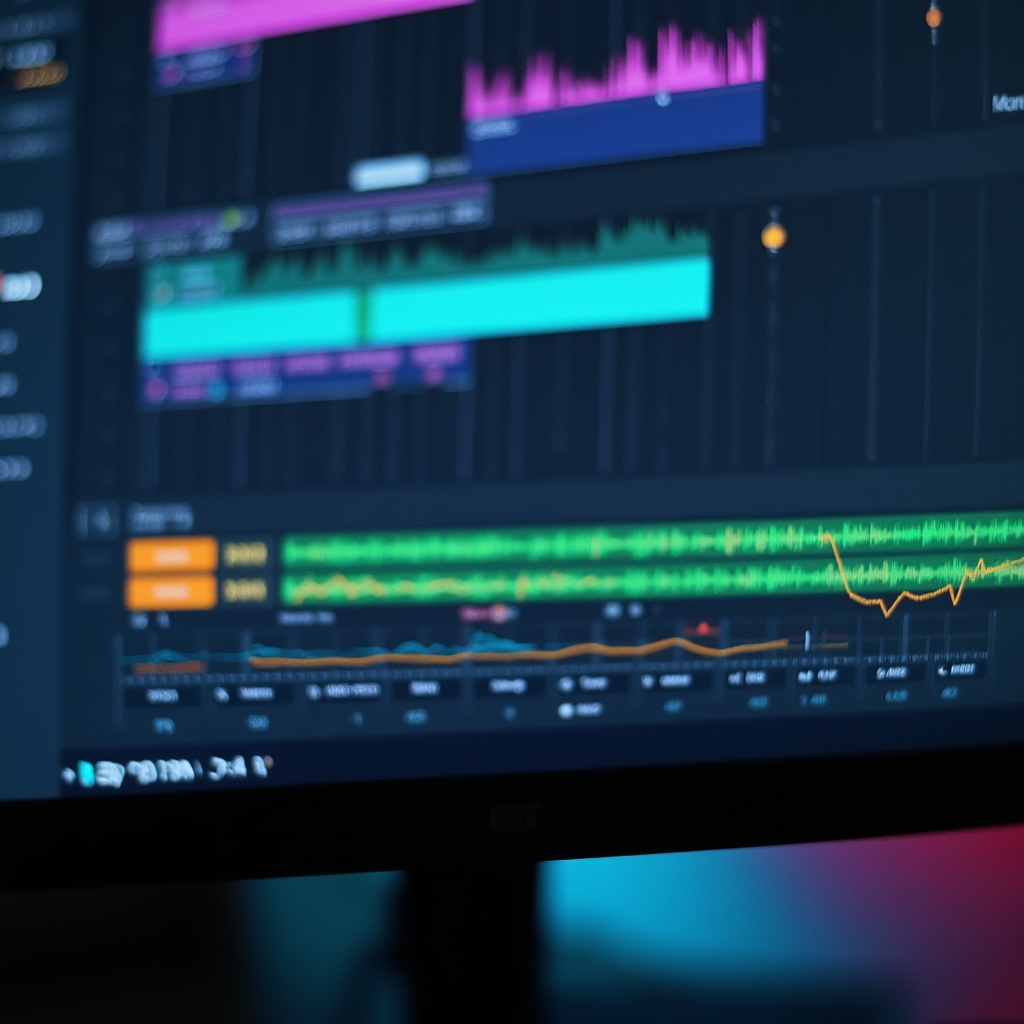
Digital Audio Workstations
The DAW is the center of every modern home studio. This course teaches you how to navigate it confidently, not just click around hoping something works.
You'll learn how audio signals move through a session, how to organize tracks for clarity, how to record and edit audio and MIDI, and how to use virtual instruments effectively. The course is structured around common workflows rather than feature-by-feature walkthroughs, so you develop genuine understanding rather than button memorization.
Topics Covered
- Signal flow and routing basics
- Session setup and track organization
- Audio recording and MIDI sequencing
- Virtual instruments and plugins
- Editing, comping, and arrangement
Microphone Placement
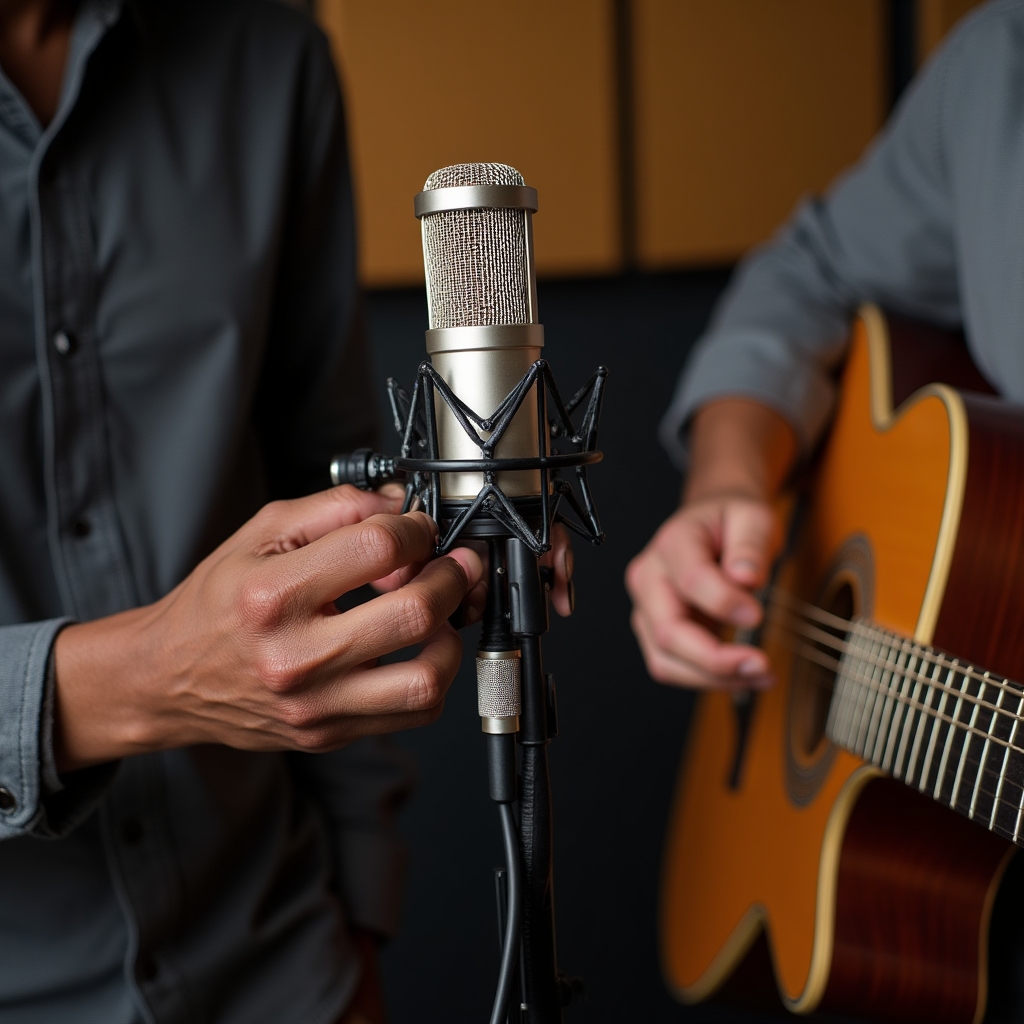
The microphone is your first creative decision. Everything that happens in the mix starts with what you captured at the source. This course is about getting that right.
You will learn the acoustic properties of different microphone types, how distance and angle affect the recorded sound, and how your room contributes to what the microphone hears. Practical exercises use common home studio microphones and everyday rooms rather than ideal acoustic environments.
Topics Covered
- Microphone types and polar patterns
- Distance and proximity effect
- Vocal mic technique and pop filtering
- Acoustic instrument recording positions
- Room acoustics and reflection management
Basic Mixing Concepts
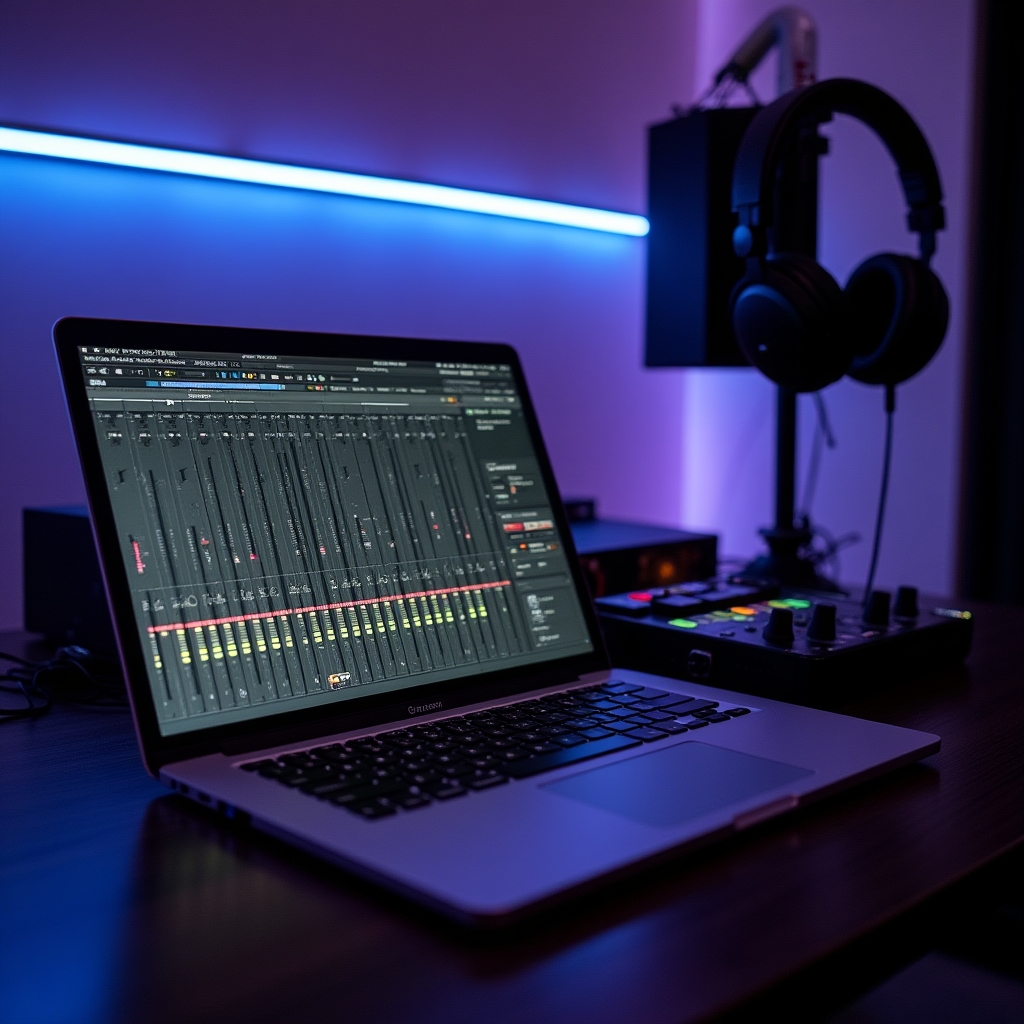
Mixing is where individual recordings become a coherent piece of music. This course introduces the core tools and decisions that shape how a track sounds when everything plays together.
You'll work with level balancing, panning, equalization, compression, and time-based effects like reverb and delay. The focus is on understanding what each tool does to the sound and why you would reach for it, rather than learning preset chains that work only in specific situations.
Topics Covered
- Level balancing and gain staging
- EQ: subtractive and additive techniques
- Compression principles and application
- Reverb, delay, and spatial processing
- Mix translation across playback systems
Original Track Creation
This is where everything comes together. The final course in the core curriculum guides you through the complete process of creating an original piece of music from scratch using your home setup.
You'll develop a song concept, build an arrangement, record and program elements, mix the components, and prepare a finished export. The emphasis is on completing the process, not perfecting individual parts. Finishing tracks is a skill in itself, and this course trains it directly.
Topics Covered
- Song structure and arrangement planning
- Layering recorded and programmed elements
- Workflow for completing tracks efficiently
- Mix decisions in context of a full song
- Export formats and final delivery
Find the course that fits where you are.
Not sure which to start with? Check your skill level first.